
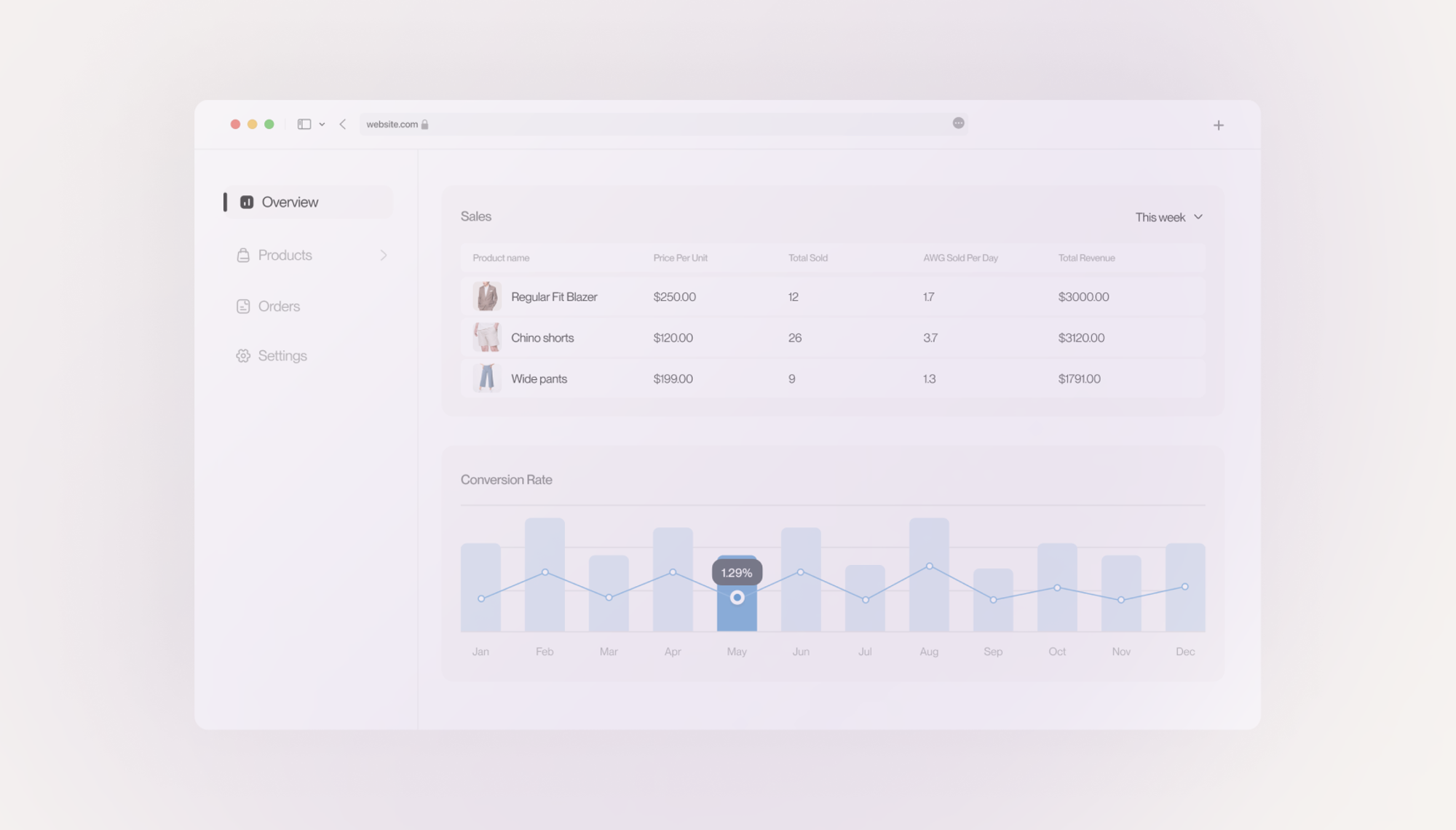
D2C brands are changing e-commerce by focusing on customers, using data, and staying flexible. To grow successfully, they need to improve marketing, scale wisely, and streamline logistics.
How D2C Brands Are Changing the E-commerce Landscape
The rise of Direct-to-Consumer (D2C) brands has dramatically shifted the e-commerce industry, challenging traditional retail models and setting new standards for customer experience, branding, and innovation. By bypassing intermediaries and selling directly to customers, D2C brands have unlocked higher profit margins, stronger brand loyalty, and greater agility in responding to market trends.
In this blog, we’ll explore how D2C brands are reshaping the e-commerce landscape, the benefits of this model, and how businesses can leverage these insights for success.
The Shift Towards D2C E-commerce
In the past, brands relied on wholesalers, distributors, and retail giants to get their products to consumers. However, the digital revolution, fueled by Shopify, social media, and data-driven marketing, has enabled brands to sell directly through their own platforms. This shift empowers businesses to control their pricing, messaging, and customer relationships, ultimately driving long-term growth.
Key Ways D2C Brands Are Transforming E-commerce
1. Cutting Out the Middleman
By removing third-party retailers, D2C brands retain greater control over pricing, product availability, and profit margins. This allows them to offer more competitive prices while ensuring a consistent brand experience.
2. Owning the Customer Relationship
Unlike traditional retail models where the retailer controls customer interactions, D2C brands build direct and lasting relationships with their customers through:
- Personalized email marketing
- Loyalty programs and subscriptions
- Exclusive discounts and early access to new products
3. Leveraging Data to Enhance Customer Experience
D2C brands have full access to customer purchase data, browsing behavior, and preferences, allowing them to create tailored shopping experiences. With tools like Shopify, Klaviyo, and Google Analytics, brands can:
- Optimize marketing campaigns
- Improve product recommendations
- Develop a seamless omnichannel experience
4. Emphasizing Brand Identity and Storytelling
D2C brands have mastered the art of storytelling and community-building to differentiate themselves from competitors. Through content marketing, influencer partnerships, and social media engagement, they create an authentic brand identity that resonates with their audience.
5. Faster Innovation & Product Development
Traditional retailers often take months (or even years) to launch new products due to distribution constraints. D2C brands, on the other hand, can test, iterate, and launch new products quickly, responding directly to consumer demand. Crowdsourcing, limited-edition drops, and direct feedback loops help D2C brands stay ahead of trends.
6. Expanding Beyond a Single Sales Channel
While a brand’s own website is the core of its D2C strategy, many successful companies expand into social commerce, marketplaces, and even physical retail. D2C brands integrate with:
- Instagram & TikTok Shopping for seamless in-app purchases
- Amazon & Walmart Marketplace for additional revenue streams
- Pop-up shops & brand-owned retail stores for in-person experiences
Challenges D2C Brands Face
Despite the advantages, D2C brands must overcome challenges such as:
- Rising customer acquisition costs due to increased competition in digital advertising
- Managing logistics & fulfillment efficiently to offer fast shipping
- Ensuring customer retention through exceptional service and ongoing engagement
How to Succeed in the D2C Model
For businesses looking to adopt or optimize a D2C approach, here are some key strategies:
1. Build a Strong E-commerce Foundation
- Use Shopify Plus for a scalable, high-performance storefront
- Optimize site speed, UX design, and checkout experience
- Implement AI-driven personalization tools
2. Master Digital Marketing & Customer Acquisition
- Invest in SEO, content marketing, and PPC advertising
- Use email automation & SMS marketing to nurture relationships
- Leverage social media & influencer partnerships to drive traffic
3. Enhance Customer Loyalty & Retention
- Offer subscription models for recurring purchases
- Create a loyalty rewards program to encourage repeat sales
- Provide outstanding customer support through live chat, email, and AI bots
4. Optimize Supply Chain & Fulfillment
- Partner with third-party logistics (3PL) providers for efficient shipping
- Offer free & fast shipping to meet consumer expectations
- Use inventory management software to avoid stock issues
Conclusion
D2C brands are revolutionizing the e-commerce landscape by prioritizing customer relationships, data-driven strategies, and agile business models. As competition grows, brands must focus on scaling efficiently, optimizing marketing strategies, and improving logistics.
Looking to build or optimize your D2C Shopify store? Makro Agency specializes in helping brands launch, scale, and perfect their D2C strategy with cutting-edge eCommerce solutions. Contact us today to take your D2C brand to the next level!