
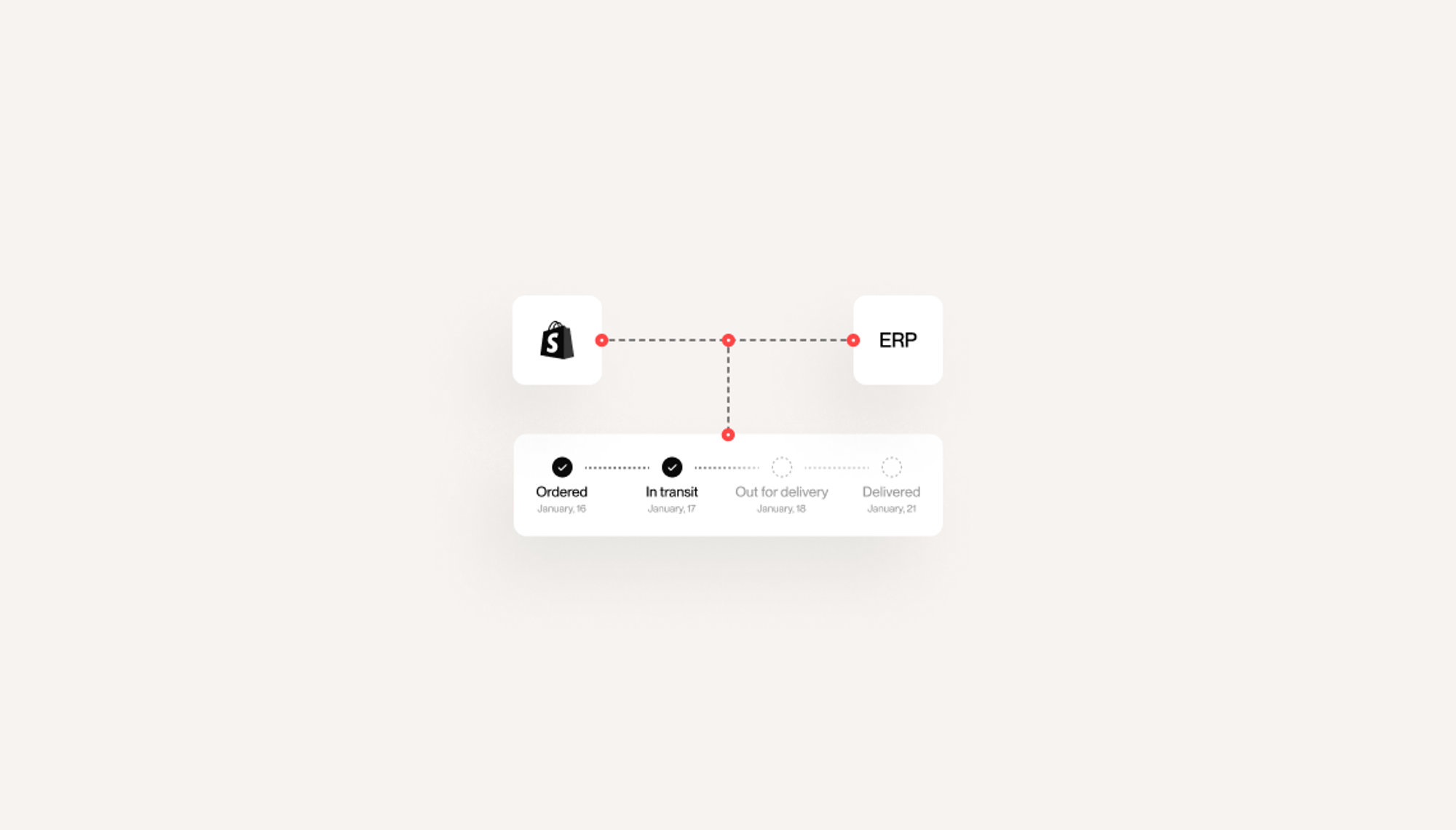
Avoid costly mistakes in your Shopify ERP integration—learn the top pitfalls merchants face and how to ensure a smooth, efficient transition.
Whether the goal is to streamline operations, improve data accuracy, or enhance customer experiences, integrating an Enterprise Resource Planning (ERP) system is essential for eCommerce businesses. However, ERP integration is a complex process, and mistakes can lead to costly delays, inefficiencies, and disruptions in business operations.
To help you navigate this critical process, we've compiled the most common ERP integration mistakes Shopify merchants make and how to avoid them.
1. Choosing the Wrong ERP System
Many merchants rush into selecting an ERP system without fully understanding their business needs. Not all ERP solutions are built for eCommerce, and some may lack the necessary Shopify integration capabilities.
How to Avoid This Mistake:
- Assess Your Needs: Define your business objectives and pain points before choosing an ERP.
- Check Compatibility: Ensure the ERP system integrates seamlessly with Shopify.
- Consult Experts: Work with an ERP consultant or Shopify expert to find the right fit.
2. Poor Data Mapping and Migration Strategy
One of the biggest challenges in ERP integration is ensuring that data from Shopify (e.g., orders, customers, inventory) correctly maps to the ERP system. Poor data mapping can lead to errors, missing data, and discrepancies in reports.
How to Avoid This Mistake:
- Conduct a Data Audit: Clean and organize data before migration.
- Map Data Fields Properly: Ensure that fields in Shopify correspond correctly to those in your ERP.
- Test Before Going Live: Run test migrations to identify and fix potential issues.
3. Underestimating Integration Complexity
Some merchants assume ERP integration is a plug-and-play solution, only to realize it requires significant customization and technical expertise. This can result in delayed implementation and unexpected costs.
How to Avoid This Mistake:
- Plan for Customization: Understand that ERP integration often requires tailored configurations.
- Use Middleware Solutions: Integration platforms like Celigo, Patchworks, or MESA can simplify the process.
- Allocate Enough Time and Budget: Be realistic about the timeline and investment required.
4. Ignoring User Training and Adoption
Even the best ERP system won’t be effective if your team doesn’t know how to use it properly. Lack of training can lead to errors, inefficiencies, and frustration among employees.
How to Avoid This Mistake:
- Provide Hands-On Training: Invest in comprehensive training for employees.
- Create Documentation: Develop easy-to-follow guides for internal teams.
- Encourage Feedback: Allow employees to report challenges and suggest improvements.
5. Lack of Real-Time Data Synchronization
A common issue with ERP integration is a delay in data synchronization, leading to inventory mismatches, incorrect order processing, and poor customer experiences.
How to Avoid This Mistake:
- Enable Real-Time Syncing: Ensure your ERP integration allows real-time updates for inventory, orders, and customer data.
- Use Webhooks and APIs: Implement automation tools that trigger instant data updates.
- Monitor System Performance: Regularly check for data lag and troubleshoot issues quickly.
6. Neglecting Ongoing Maintenance and Support
ERP integration is not a one-time project; it requires continuous monitoring, updates, and maintenance. Ignoring this can lead to system failures and inefficiencies over time.
How to Avoid This Mistake:
- Schedule Regular System Audits: Periodically check for integration issues.
- Keep Software Up to Date: Ensure Shopify and ERP updates do not break your integration.
- Have a Dedicated Support Team: Partner with an ERP expert for ongoing maintenance.
7. Failing to Align Business Processes with ERP Capabilities
Some businesses attempt to force old workflows into their new ERP system rather than optimizing their processes to align with the new technology. This can cause inefficiencies and limit the ERP’s benefits.
How to Avoid This Mistake:
- Reevaluate Business Workflows: Optimize processes to fit the ERP system’s strengths.
- Leverage ERP Features: Utilize automation and reporting tools for better efficiency.
- Get Team Buy-In: Ensure all departments understand and adopt the new processes.
Conclusion: Start Your Seamless Shopify ERP Integration Today
ERP integration with Shopify can revolutionize your business, but only if done correctly. By avoiding these common mistakes—choosing the wrong ERP, poor data mapping, underestimating complexity, ignoring training, neglecting real-time syncing, skipping maintenance, and misaligning business processes—you can ensure a smooth and successful integration.
Need help with your Shopify ERP integration? Contact our experts today to streamline your business operations efficiently! Makro Agency, a leading Shopify Plus partner, specializes in ERP integration for eCommerce businesses. We guide you through the complexities, from selecting the right ERP system to ensuring real-time data synchronization and post-integration support. Let us help you avoid common pitfalls and achieve seamless, optimized business processes. Contact us today to start your Shopify ERP integration journey with confidence.